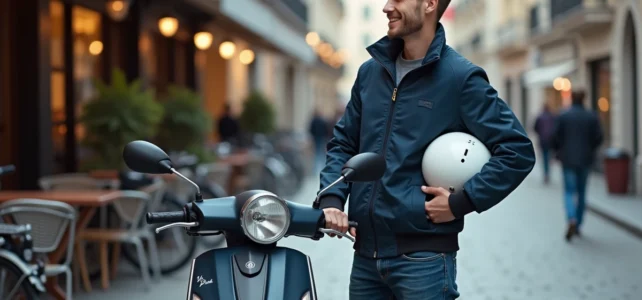
A homologated 50cc motorcycle is a moped limited to 45 km/h, accessible from the age of 14 with an AM license. In 2024, the French market offers several dozen models with gearboxes and a few scooters, all subject to the same regulatory constraints. The choice of a 50cc motorcycle is less about maximum speed (which is the same for all homologated models) and more about the combination of engine type, ergonomics, and daily use.
2-stroke or 4-stroke engine on a 50cc: what the choice really changes
Before browsing any ranking of 50cc motorcycles, the first technical question to settle concerns the type of engine. Both architectures coexist in the market, but their characteristics cater to very different driving profiles.
A 2-stroke engine delivers its power more sharply, with a rapid rise in RPM. This behavior appeals to young riders looking for sensations similar to those of a larger displacement motorcycle. The downside: a mixture oil consumption, more frequent maintenance, and a louder noise.
The 4-stroke engine offers a more linear response, reduced fuel consumption, and longer maintenance intervals. For primarily urban use or home-school commutes, this consistency simplifies the life of the rider as well as the family budget. However, the feeling of responsiveness is less pronounced, which explains why 4-stroke models are less appealing to thrill-seekers.
To follow motorcycle trends on RapidActu, the preference of young riders leans heavily towards 2-stroke, particularly in the supermoto and enduro segments where the AM6 engine (Minarelli) remains the mechanical reference.
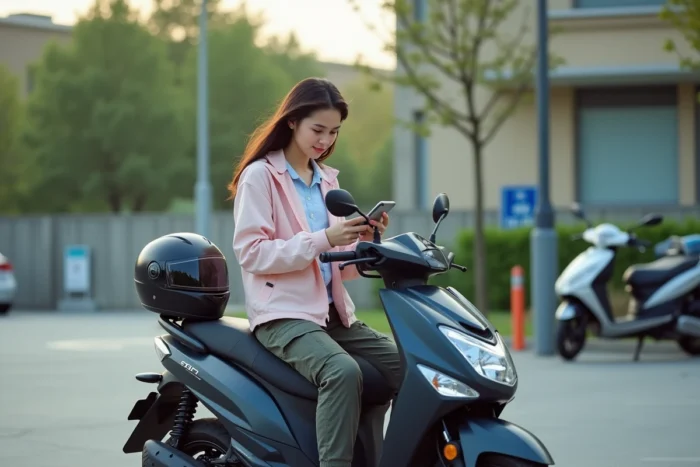
Supermoto, enduro, or sports 50cc: three categories, three uses
The type of 50cc motorcycle determines both the pleasure of riding and the vehicle’s relevance for daily use. Three categories dominate the preferences of young riders.
50cc Supermoto
Supermotos represent the best-selling category. Their upright riding position, small diameter wheels, and moderate ground clearance make them agile machines in the city. The Rieju MRT and the Derbi Senda DRD Racing are among the most common models in this category. Their success is based on quick handling and accessible maintenance due to the availability of parts.
50cc Enduro
Enduro versions often share the same mechanical base as supermotos, but with longer travel suspensions and knobby tires. They are suitable for riders who alternate between roads and trails. The Beta RR 50 and the Sherco SE-R 50 are good examples of this segment, with a chassis designed to absorb terrain irregularities.
50cc Sports
50cc sports bikes adopt a more crouched position and full fairing. Their use remains predominantly on the road. This segment attracts riders sensitive to aesthetics, but the riding position can become tiring on long urban journeys. The Aprilia RS 50 is one of the models that maintains a strong reputation in this category.
Concrete selection criteria for a homologated 50cc motorcycle
Beyond style, several technical criteria deserve special attention before purchase. Ignoring them often leads to disappointments or unexpected costs.
- The weight of the vehicle: a lightweight 50cc motorcycle forgives more handling mistakes at low speed. For a 14-year-old rider, the difference of a few kilograms between two models can change confidence on the handlebars.
- The seat height: a young rider who cannot place their feet flat on the ground loses safety during stopping maneuvers. Checking this point at the dealership avoids a poor choice.
- The type of braking: the presence of a disc brake at the front and rear improves deceleration capacity. Some entry-level models still retain a rear drum brake, which is less effective on wet surfaces.
- The availability of spare parts: brands with a dense distribution network in France (Rieju, Derbi, Beta, Sherco) facilitate regular maintenance and repairs after a collision.
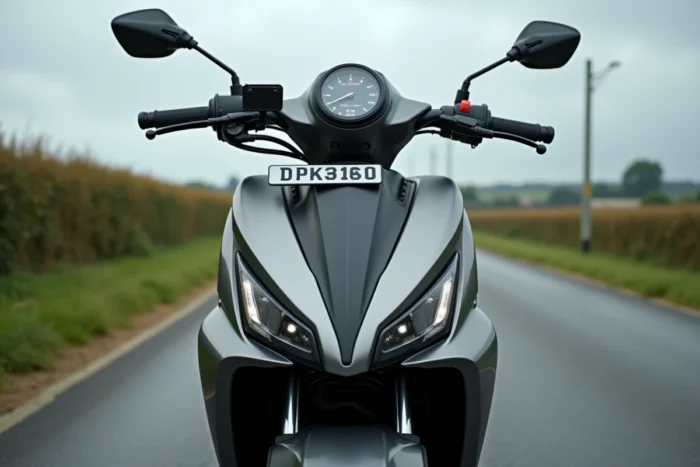
New or used 50cc motorcycle: balancing price and reliability
The price of a new 50cc motorcycle varies significantly depending on the brand and finish. Entry-level models fall within an accessible range, while high-end versions (adjustable suspensions, racing finishes) cost considerably more.
The used market represents a significant portion of transactions in this segment. A well-inspected used 50cc protects the budget without sacrificing reliability, provided a few points are checked: engine condition (compression, kick play), wear of the chain and sprockets, condition of the brake discs, and actual mileage.
Insurance is an expense not to be overlooked. Rates vary greatly depending on the rider’s profile, the chosen model, and the coverage options selected. A sports-type moped generally costs more to insure than a standard supermoto, due to a higher accident rate in this segment.
Safety and mandatory equipment for riding a 50cc
A homologated helmet remains the only legally required equipment for a moped rider. CE-certified gloves are also required under current regulations. Beyond the legal minimum, wearing a reinforced jacket and high-top shoes significantly reduces the severity of injuries in the event of a fall.
The majority of 50cc accidents occur in urban areas, often during direction changes or at intersections. Choosing a motorcycle with good lighting and properly positioned mirrors directly contributes to the rider’s safety.
Homologated 50cc motorcycles in 2024 meet the latest anti-pollution standards, which also ensures a higher level of active safety equipment (braking, lighting) compared to older models. For a young rider, prioritizing a recent model over a very old used one remains the best compromise between budget and road protection.